


Growth is exciting right up until the systems underneath the business can’t keep up anymore.
That was the challenge facing Proximity.
As the organisation expanded, every new service, team restructure, capability statement, event, and staff update created more manual admin across the business. Information was being updated in multiple places. Proposal documents could become outdated quickly. And the website was slowly becoming less of a marketing tool and more of an operational bottleneck.
Proximity didn’t need a nicer-looking website.
They needed a platform that could support growth without creating more work for already-busy teams.
So that’s what we built.
Scope
Website strategy, UX, design, development, structured content, systems integration and ongoing digital support
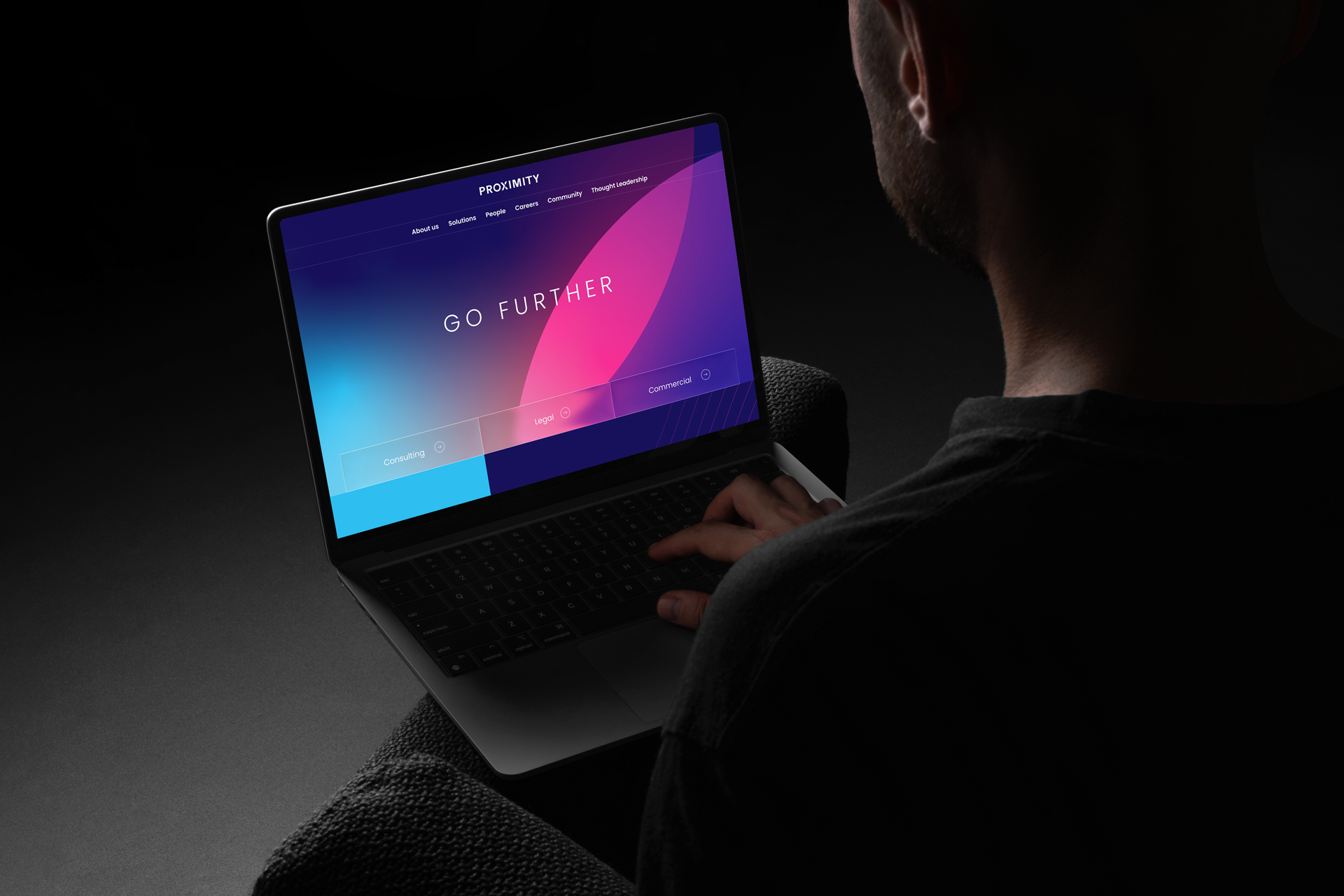
The problem wasn’t the website. It was what the website had become.
Like a lot of growing organisations, Proximity had outgrown the assumptions their systems were built on.
The business evolved quickly. New services appeared. Teams expanded. Expertise changed. Job titles shifted. And every single one of those changes created flow-on admin across the organisation.
The website sat right in the middle of it all.
Updating people, services, capability documents, recruitment information, events, and organisational content manually across disconnected systems was becoming harder to manage every year.
The bigger the business became, the harder it became to keep information accurate, connected, and current.
Without intervention, growth itself was going to become the bottleneck.
Proximity didn’t have a dated website. They had a growing organisation being slowed down by fragmented content and manual admin.
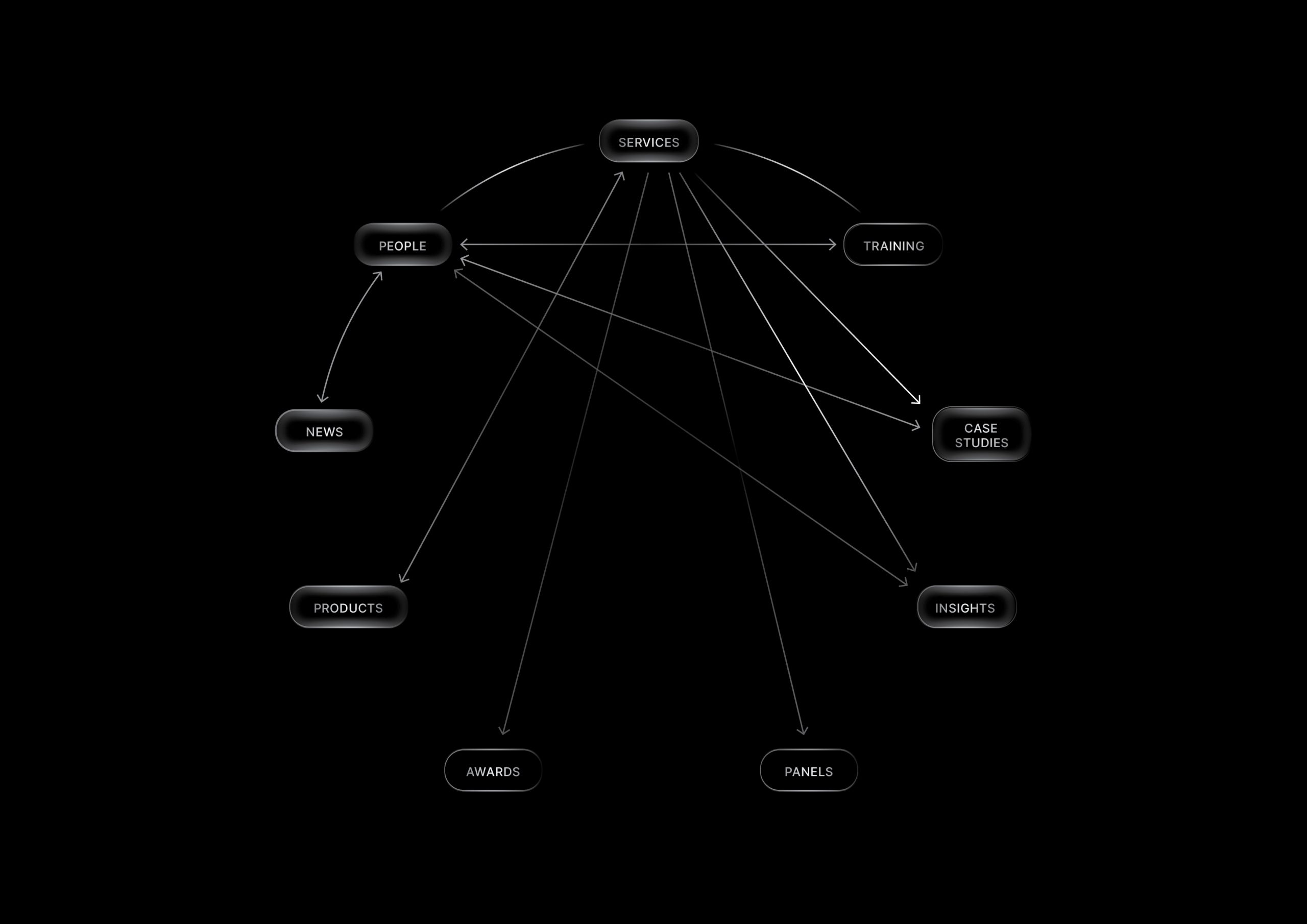
We rebuilt the website around connected content
Rather than treating the website as a collection of standalone pages, we approached it like a connected content system.
The goal was simple: Update information once. Let the platform handle the rest.
So instead of manually recreating the same information across dozens of pages and documents, we built a structured ecosystem where content could flow between different parts of the organisation automatically.
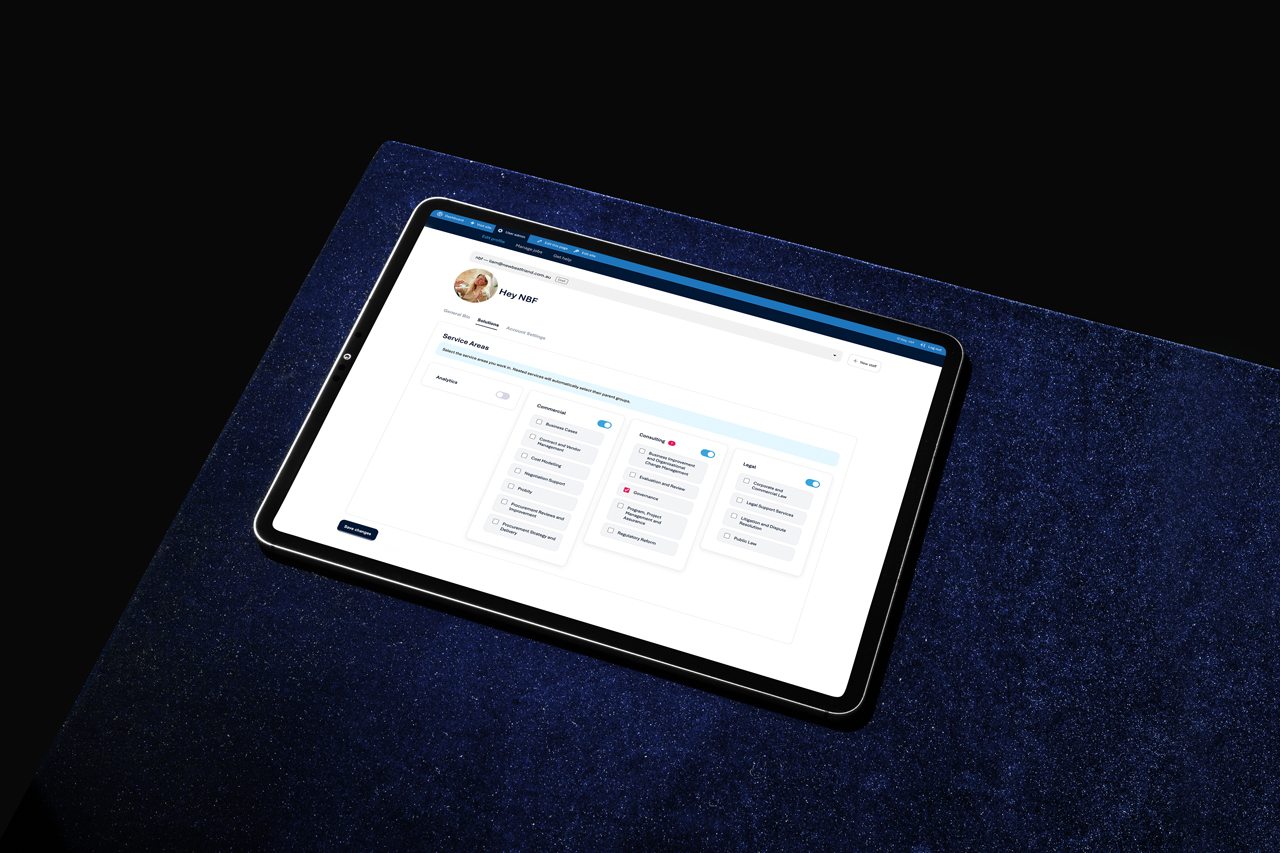
Services could pull in relevant people and expertise. Staff profiles could update dynamically across the site. Thought leadership could connect back to service areas. Capability information could stay consistent across proposals, marketing, and recruitment.
The result was a website that became easier to manage as the organisation evolved — not harder.
We built a flexible content system that reduced duplication, simplified updates, and helped the platform scale with the organisation.
One of the biggest wins came from fixing a problem no one enjoys talking about
Capability statements.
One of the clearest pain points sat inside Proximity’s proposal and capability process.
Like many large organisations, capability statements were constantly changing. Teams shifted. Service offerings evolved. People moved roles. Expertise expanded.
Which meant proposal documents could become outdated almost as soon as they were exported.
Traditionally, every update required someone to manually rebuild or reformat pdfs over and over again.
So we approached the problem differently.
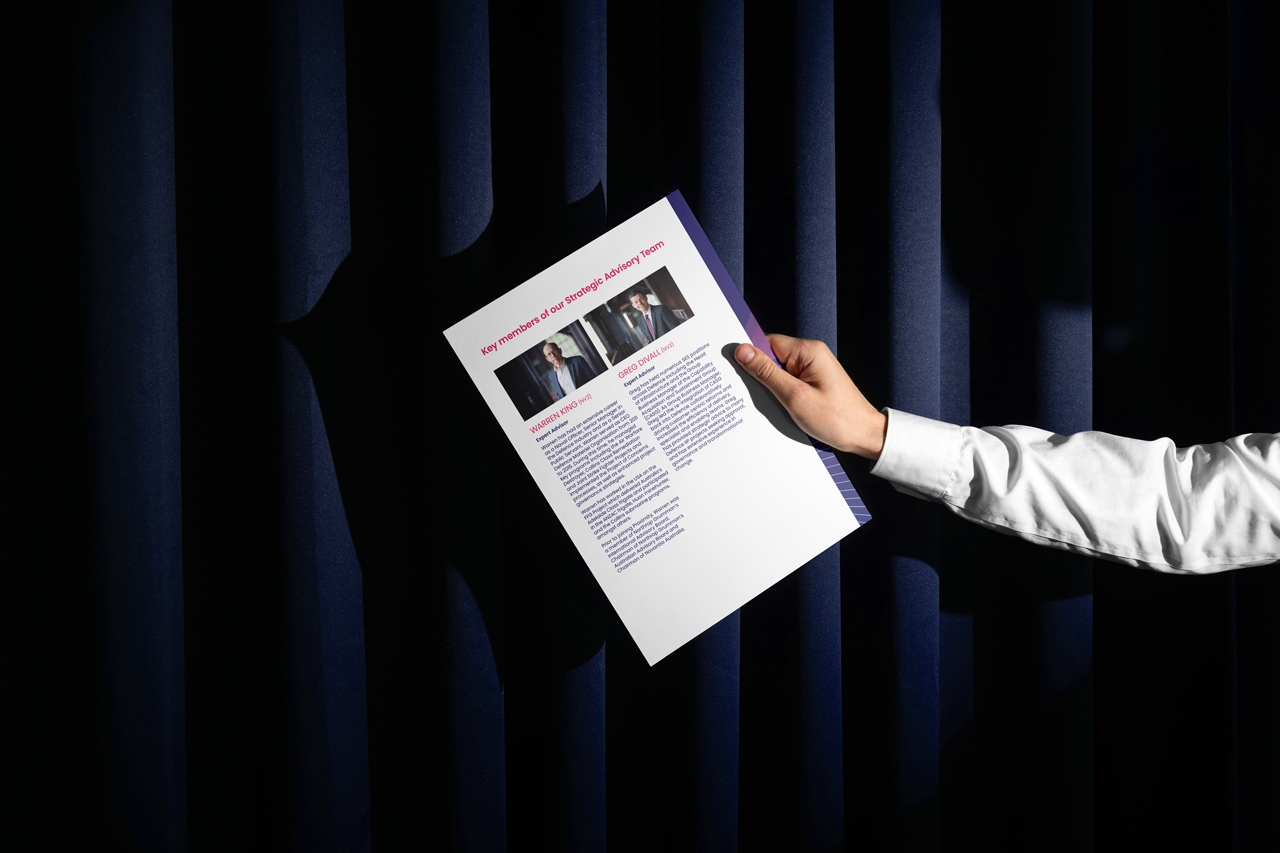
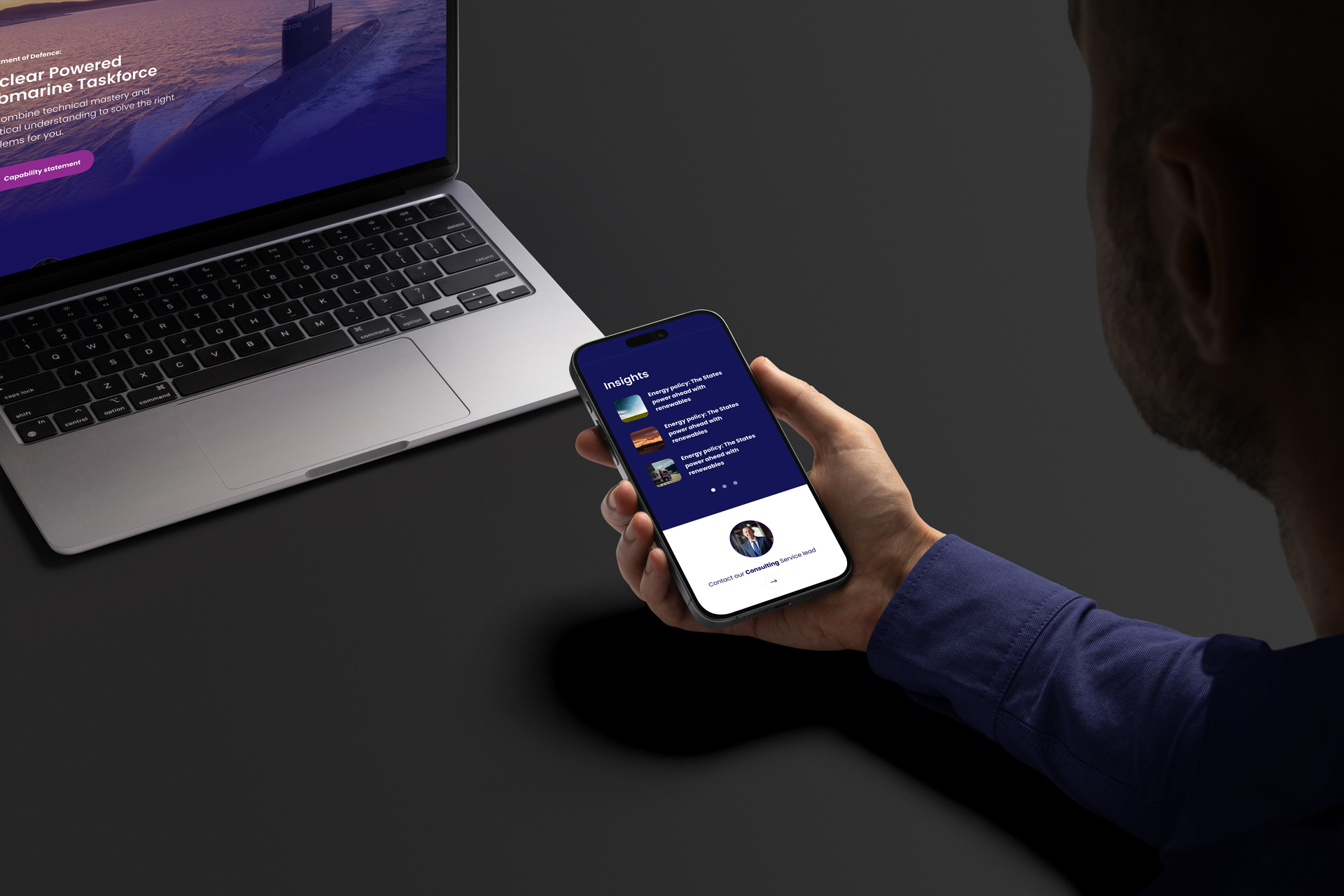
Instead of treating capability statements as disconnected files, we connected them directly to the website’s structured content system. The same live information powering the website could also power business development documents.
That meant:
- less duplicated effort
- fewer manual updates
- more consistent information
- faster proposal preparation
- less reliance on internal teams keeping dozens of separate documents current
The website stopped being just a marketing asset and started becoming operational infrastructure.
Capability statements could now pull from live website content — reducing admin and helping information stay accurate across the organisation.
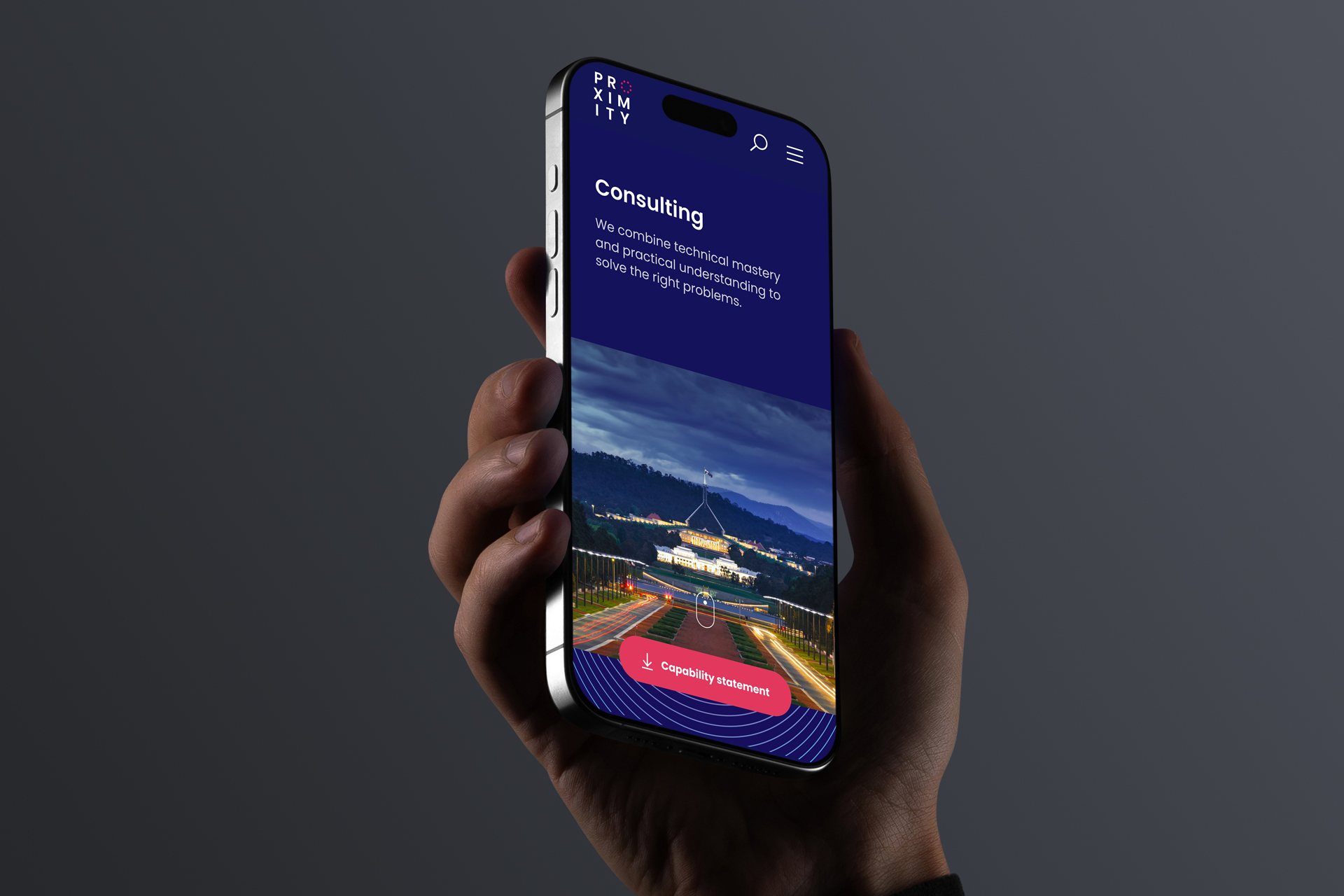
Built to evolve — not just launch
What started as a website project evolved into a long-term digital partnership spanning years of organisational growth and change.
As Proximity expanded, the platform evolved with it.
Over time, we supported the organisation with:
- dynamic staff and expertise systems
- event and registration platforms
- gated webinar experiences
- role-based administration
- secure integrations and SSO systems
- recruitment and careers functionality
- onboarding and internal tooling
- automated workflows and communications
- digital publications and campaigns
- ongoing UX, content and platform improvements
Importantly, the underlying system was designed to accommodate change without needing to rebuild the entire platform every few years.
Which became especially valuable during Proximity’s transition from Proximity to SPA Australia.
Because the content architecture underneath the platform was already structured properly, the organisation was able to complete a major refresh across:
- 32 core pages
- 222 people profiles
- 48 thought leadership articles
- 71 service and solution pages
- 17 active job opportunities
…in just three weeks.
That kind of speed only happens when the foundations underneath the website are built properly in the first place.
The platform was designed to handle organisational change — which allowed SPA to roll out a major refresh across hundreds of content items in just weeks, not months.
A long-term partnership built around flexibility
Over the years, we’ve supported Proximity — and now SPA Australia — across far more than just their website.
From campaigns, reports and digital publications through to event systems, internal tooling, onboarding experiences, proposal infrastructure and content strategy — our role has consistently been helping the organisation simplify complexity and communicate more clearly as it grows.
Because the reality is: most organisations don’t stand still.
Teams change. Services evolve. Priorities shift. Systems get messy.
The challenge isn’t just launching a new website.
It’s building something flexible enough to keep working long after launch day is over.